Solar energy systems operate by capturing sunlight and converting it into direct current (DC) electricity through solar panels. When sunlight interacts with solar cells, it excites electrons, generating an electric current. This DC electricity is transmitted via solar cables to inverters, where it is converted into alternating
current (AC) electricity, suitable for powering homes, businesses, and industries. Solar cables play a critical role in transmitting electricity from the panels to the system, enabling efficient and reliable use of solar energy across various applications.
Solar Cables are used in all types of solar systems, cable size and type depends upon the solar capacity and the design of project. Some of the applications are as under;
Residential Rooftop Solar PV Systems — turning sunlight into electricity for independent use or grid feed-in.
Commercial and Industrial Applications:
Remote and Off-Grid Applications:
Agricultural Applications:
Transportation:
Utility-Scale Power Generation
Telecommunication and Public Emergency Services
Worldwide Cables (Pvt) Limited takes pride in offering premium-quality solar cables, trusted by customers worldwide for their exceptional performance and reliability. Designed for maximum efficiency, these cables feature:
Manufactured and rigorously tested according to international standards (BS EN 50618 and IEC 60502-1), Worldwide solar cables deliver durability and safety, making them ideal for long-term outdoor use in demanding environments. Available in conductor sizes of 4 mm², 6 mm², and 10 mm², these cables cater to a variety of installation requirements, ensuring seamless integration into any solar energy system. Bigger conductor sizes up to 35 mm2 cables are also available if required.
A specialized cable designed to connect photovoltaic (PV) panels to other system components is a solar power setup. These cables are built to handle high DC voltage and resist harsh environmental conditions.
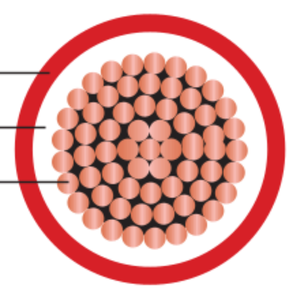
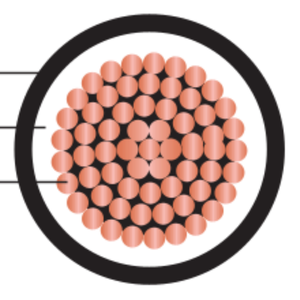
The inner core of the cable, usually made of copper or aluminum, which carries the electrical current. In solar cables, the conductor is often tinned copper to resist corrosion.
A protective layer surrounding the conductor to prevent current leakage and provide electrical isolation. Solar cables commonly use XLPO (cross-linked polyolefins) or PVC for insulation, however, worldwide Cables offers PE insulation in lieu of it for the safety of its customers
The outermost protective layer of the cable. Solar cable jackets are often made from XLPO, PVC or LSZH (Low Smoke Zero Halogen).
A feature that ensures the cable can endure prolonged exposure to sunlight without degradation, crucial for outdoor applications. Worldwide offers UV Resistant sheaths in its solar cables.
Indicates that the cable materials do not release toxic gases when burned, enhancing safety in fire scenarios. Worldwide solar cables are completely halogen free.
The range of temperatures the cable can safely operate in. Solar cables are typically rated for extreme temperatures (-15°C to +120°C or more).
specifies the maximum voltage the cable can handle. DC solar cables often have ratings between 600V to 1500V.
Indicates the cable's ability to resist catching fire or self-extinguish if exposed to flames.
Refers to the cable's ability to bend without damage, allowing easy installation, especially in tight spaces or complex layouts
Certifications that indicate compliance with international safety and performance standards for solar cables.
Worldwide TUV Certified Solar Cables are ideal to use in both residential and industrial solar systems, particularly in larger solar projects for industries because of its and superior materials, design and robust construction.
Choose World Premium Solar Cables for a dependable and efficient solar energy solutions.
Worldwide Cables uses Low Smoke Zero Halogen (LSZH) materials for building wires insulation and sheathing due to their specific properties that enhance safety and performance. Here are the salient properties of LSZH materials:
Copyright 2026 © All Right Reserved